%201.jpg)
Heat Pump Not Heating or Cooling: Troubleshooting Guide
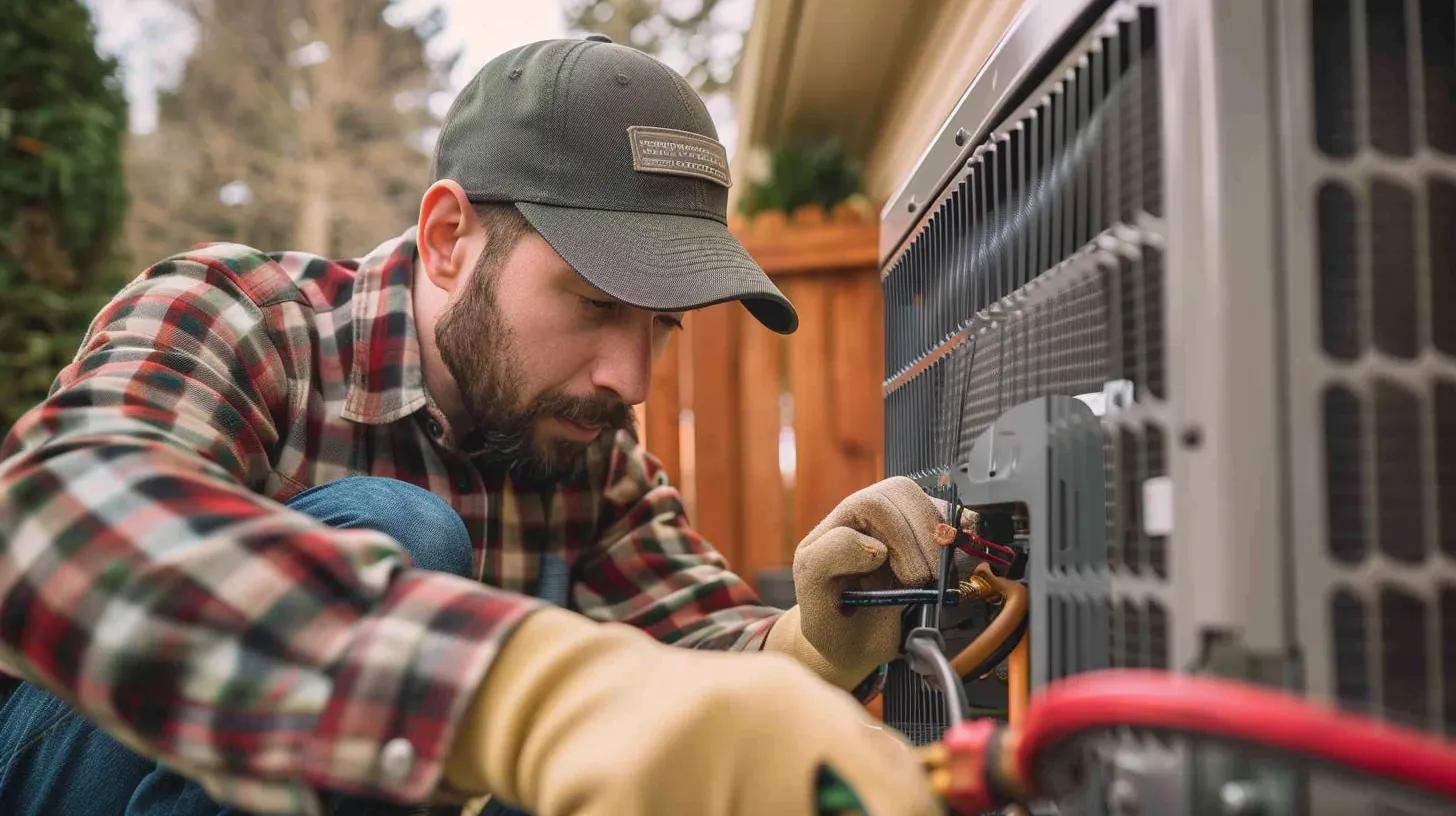
Heat Pump Not Heating or Cooling? A Practical Troubleshooting Guide for Repair & Maintenance
When your heat pump stops heating or cooling the way it should, it’s more than an inconvenience — it’s a problem you want fixed fast. Understanding the basic operation and common failure points of your system can empower you to address minor issues and know when to seek professional help. This guide walks through the most common causes, clear troubleshooting steps you can try at home, and when to call a pro. Follow these tips to keep your system running efficiently and your space comfortable. We also cover routine maintenance and typical repair costs so you can plan ahead and ensure your home remains a sanctuary regardless of the season.
Why Is My Heat Pump Blowing Cold Air Instead of Heating?
If your heat pump is putting out cold air when it should be warming your home, a few things are usually to blame. This can be particularly frustrating during colder months when warmth is essential. Knowing the likely causes helps you diagnose the issue faster and decide the next step, potentially saving you from an uncomfortable night.
What Common Causes Lead to a Heat Pump Blowing Cold Air?
Common reasons a heat pump blows cold air include:
• Refrigerant problems: Low refrigerant stops the system from moving heat properly, as it’s the medium that absorbs and releases thermal energy. This means the air passing through the indoor coil won’t pick up enough heat, resulting in cold air discharge.
• Wrong thermostat settings: If the thermostat is inadvertently set to cool mode, or if a programmed schedule has it running in cooling mode, the unit will operate as an air conditioner, blowing cool air into your home. Always double-check your settings.
• Dirty air filter: A clogged filter restricts airflow significantly, forcing the system to work harder and potentially causing it to overheat or short cycle. This reduced efficiency can lead to insufficient heat transfer, making the air feel cold.
• Defrost cycle: In cold weather, the outdoor unit may accumulate ice. The heat pump will periodically enter a defrost cycle to melt this ice, during which it temporarily reverses operation and may blow cold air indoors for a short period (typically 5-15 minutes).
Spotting these early can often get your heat pump back to normal with a simple fix, preventing prolonged discomfort and potential system strain.
How Can I Troubleshoot Heat Pump Cold Air Problems at Home?
Before reaching for the phone to call for service, try these basic checks. Many common issues can be resolved with a few simple adjustments, saving you time and money.
• Verify thermostat settings: Ensure your thermostat is explicitly set to “Heat” mode and that the desired temperature is at least a few degrees higher than the current room temperature. Also, check if the fan setting is on “Auto” rather than “On” to prevent continuous cold air circulation when the heating cycle isn’t active.
• Check the outdoor unit: Visually inspect the outdoor unit for any obstructions. Remove leaves, snow, ice, or other debris that might be blocking airflow around the coils. Ensure there’s at least two feet of clear space around the unit for optimal operation.
• Replace or clean filters: A dirty filter is one of the most common culprits for poor performance. Clean reusable filters monthly or replace disposable ones every 1–3 months, depending on usage, pet presence, and indoor air quality. A clean filter ensures proper airflow and system efficiency.
• Wait out a defrost cycle: If you observe ice on the outdoor unit, the system might be in a defrost cycle. Give it 10–15 minutes to complete this process and return to normal heating mode. If the ice persists or the unit remains in defrost for an extended period, it could indicate a more serious issue.
These steps resolve many simple problems. If the issue persists after these checks, a qualified technician can accurately diagnose refrigerant levels, control board faults, or other complex mechanical failures.
What Are the Main Reasons a Heat Pump Fails to Cool Properly?
When summer temperatures rise, a heat pump that fails to cool properly can quickly turn your home into an uncomfortable oven. Poor cooling usually comes down to a handful of familiar issues that are straightforward to check and often fixable, though some may require professional intervention.
Why Is My Heat Pump Blowing Warm Air During Cooling?
Heat pumps that push warm air when set to cool may be affected by several factors, all of which impede the system’s ability to extract heat from your indoor environment and dissipate it outside.
• Low refrigerant: Insufficient refrigerant charge means the system cannot effectively absorb heat from your home. The refrigerant is the primary medium for heat transfer, and a low level significantly reduces cooling capacity, causing the air to feel warm.
• Compressor trouble: The compressor is the heart of your heat pump, responsible for circulating refrigerant and increasing its pressure. If the compressor isn’t working correctly or has failed, refrigerant won’t circulate, and the system will lose its ability to cool.
• Incorrect thermostat mode: Just like with heating issues, the system might still be set to heat mode, or an auto mode might not have switched over correctly. A simple check of your thermostat settings can often reveal this oversight.
• Dirty coils: Buildup of dirt, dust, and grime on the evaporator (indoor) or condenser (outdoor) coils acts as an insulating layer. This reduces the coils’ ability to transfer heat efficiently, leading to diminished cooling performance and warm air output.
Checking airflow and basic settings often points you to the likely cause, but internal component issues will require a deeper dive.
How Do I Diagnose and Fix Heat Pump Cooling Issues?
For cooling problems, try these steps to narrow down the potential cause. Some actions you can take yourself, while others clearly indicate the need for a professional.
• Look at refrigerant levels: While you cannot check refrigerant levels yourself without specialized tools, if you suspect a leak (e.g., hissing sounds, ice on coils, or a sudden drop in cooling performance), it’s crucial to call a certified technician. They can safely test the charge, locate leaks, and recharge the system.
• Listen to the compressor: Pay attention to the sounds coming from your outdoor unit. Unusual noises like grinding, buzzing, or a complete failure to start when the system should be cooling usually mean professional repair or replacement of the compressor is needed. This is a complex and costly repair.
• Check vents and airflow: Ensure all supply and return vents inside your home are open and unblocked by furniture, curtains, or rugs. Restricted airflow can significantly impair cooling efficiency and lead to uneven temperatures throughout your home.
• Schedule coil cleaning: If your coils appear dirty, especially the outdoor condenser coil, it’s time for a professional cleaning. Dirty evaporator or condenser coils should be cleaned by a professional to restore optimal heat transfer and efficiency, which is vital for effective cooling.
When in doubt, an HVAC technician has the diagnostic tools and expertise to pinpoint the exact problem and recommend the right repair, ensuring your system cools effectively and efficiently.
How Do I Identify and Resolve Common Heat Pump Malfunctions?
Beyond basic heating and cooling failures, heat pumps can exhibit other symptoms that indicate underlying issues. Catching these problems early and understanding what they mean helps you avoid bigger, more expensive repairs down the road and ensures the longevity of your system.
Being able to recognize symptoms and follow simple rules can help owners spot many common issues — research supports that guided user recognition improves problem resolution.
Heat Pump Problem Classification & User Recognition Guide
A study that reviewed 228 on-site heat pump inspections in Switzerland identified 47 distinct problem types and grouped them by frequency and cause. The researchers combined field data with expert interviews to create a practical classification scheme that shows how faults arise, who can detect them, and which problems owners can solve with clear guidance. This highlights the value of informed homeowner troubleshooting.
What Do Strange Noises from My Heat Pump Indicate?
Noises are one of the easiest clues to spot, as your heat pump typically operates with a consistent hum. Any sudden or unusual sounds should prompt investigation, as they often signal a mechanical problem that needs attention.
• Hissing or gurgling: A distinct hissing sound often indicates a refrigerant leak, which can be serious and requires immediate professional attention. Gurgling might suggest air in the refrigerant lines or a minor leak.
• Banging or clanking: These louder, more aggressive noises usually point to loose panels, mounting hardware, or failing internal parts such as a fan motor or compressor components. These need quick attention to prevent further damage to the system.
• Squealing: A high-pitched squealing sound is commonly caused by worn belts in older units or failing motor bearings in the fan assembly. While not immediately catastrophic, a technician should inspect these moving parts to prevent a complete breakdown.
If a sound is sudden, gets louder, or is accompanied by a loss of heating/cooling, turn the system off immediately and call for service to avoid further damage or safety hazards.
How Can I Address Heat Pump Short Cycling and Error Codes?
Short cycling (when the unit turns on and off frequently) and the display of error codes are clear signs the system isn’t running normally. Addressing these promptly can prevent more significant issues.
• Check filters: A severely clogged air filter can restrict airflow so much that it causes the heat pump to overheat and shut down prematurely, leading to short cycling. Cleaning or replacing it promptly is a simple first step.
• Confirm thermostat placement and function: Ensure the thermostat isn’t near a heat source (like a lamp or sunny window) that could cause it to misread the room temperature. Also, check its batteries and wiring connections to ensure it’s communicating correctly with the heat pump.
• Read error codes: Most modern heat pumps have diagnostic displays. Consult your unit’s owner’s manual or the manufacturer’s guide to interpret any displayed error codes. Keep a note of the code number and any accompanying symptoms to share with your technician, as this information is invaluable for quick diagnosis.
Documenting code numbers and when they occur speeds up diagnosis by a professional, allowing them to arrive prepared with the right tools and parts.
When Should I Call a Professional for Heat Pump Repair in Central Arkansas?
While some troubleshooting can be done by homeowners, certain problems are best handled by a licensed technician. Knowing which ones helps you avoid safety risks, potential further damage to your system, and unnecessary costs from DIY attempts that go wrong.
What Heat Pump Problems Require Licensed Technician Intervention?
For your safety and the integrity of your system, call a professional for these complex or hazardous issues:
• Refrigerant leaks: Handling refrigerant is highly regulated due to environmental concerns and safety risks. It requires specialized tools, training, and EPA certification to detect leaks, repair them, and properly recharge the system.
• Electrical faults: Issues involving wiring, tripped breakers specific to the heat pump, burnt components, or capacitor failures are dangerous. These need a trained technician with electrical expertise to diagnose and repair safely, preventing electrocution or fire hazards.
• Major component failures: Problems with critical components like the compressor, reversing valve, or significant coil damage (e.g., a large puncture) usually require professional repair or replacement. These are complex, costly repairs that demand specialized knowledge and tools.
If a repair involves tools, gauges, or electrical work beyond simple filter changes and basic exterior cleaning, scheduling a service call with a qualified HVAC professional is always the safest and most effective course of action.
How Does Massey Mechanical LLC. Provide Reliable Heat Pump Repair Services?
Massey Mechanical LLC. serves Central Arkansas with dependable heat pump repair and support, ensuring your comfort is restored quickly and efficiently. Our commitment to quality service sets us apart.
• Emergency availability: We understand that heat pump failures don’t always happen during business hours. That’s why we offer 24/7 response for urgent heat pump failures, ensuring you’re never left without heating or cooling when you need it most.
• Clear, upfront pricing: Transparency is key to our service. We provide flat-rate estimates with no surprise fees, so you know the exact cost of the repair before any work begins, allowing you to make informed decisions.
• Experienced technicians: Our team consists of highly trained, licensed, and certified technicians who diagnose problems quickly and accurately. They complete repairs right the first time, using quality parts and adhering to industry best practices.
Contact Massey Mechanical LLC. for fast, local service you can trust, backed by expertise and a commitment to customer satisfaction.
How Do Maintenance Plans from Massey Mechanical LLC. Benefit Heat Pump Performance?
Our comprehensive maintenance plans deliver practical value and peace of mind for homeowners, ensuring your heat pump receives the consistent care it needs to perform reliably.
• Priority scheduling: As a plan member, you receive priority scheduling for all service appointments, meaning you get faster appointments during busy seasons and emergencies, minimizing your wait time for essential repairs or tune-ups.
• Lower long-term costs: Regular tune-ups and preventative care significantly reduce the chance of expensive emergency repairs by identifying and addressing minor issues before they become major problems. This proactive approach saves you money over the lifespan of your unit.
• Reliable performance: A well-maintained system runs more efficiently, providing consistent heating and cooling. This not only keeps your home comfortable but also ensures your heat pump operates at its optimal energy efficiency, leading to lower utility bills.
Signing up for a maintenance plan saves time, prevents headaches, and provides confidence that your system is prepared for whatever weather extremes arrive.
Conclusion
Knowing the common causes of heat pump problems and following clear troubleshooting steps empowers you to solve many issues quickly and efficiently. Regular, proactive maintenance is the most effective way to keep your system reliable, reduce costly repairs, and ensure consistent comfort in your home. If you encounter complex issues or need expert assistance, Massey Mechanical LLC. is ready to diagnose and repair your heat pump with professionalism and transparency. Contact us today to schedule service and keep your home comfortable year-round, no matter the season.
Recent Posts
Customer Testimonials
