%201.jpg)
Core Principles of Furnace Installation You Must Know
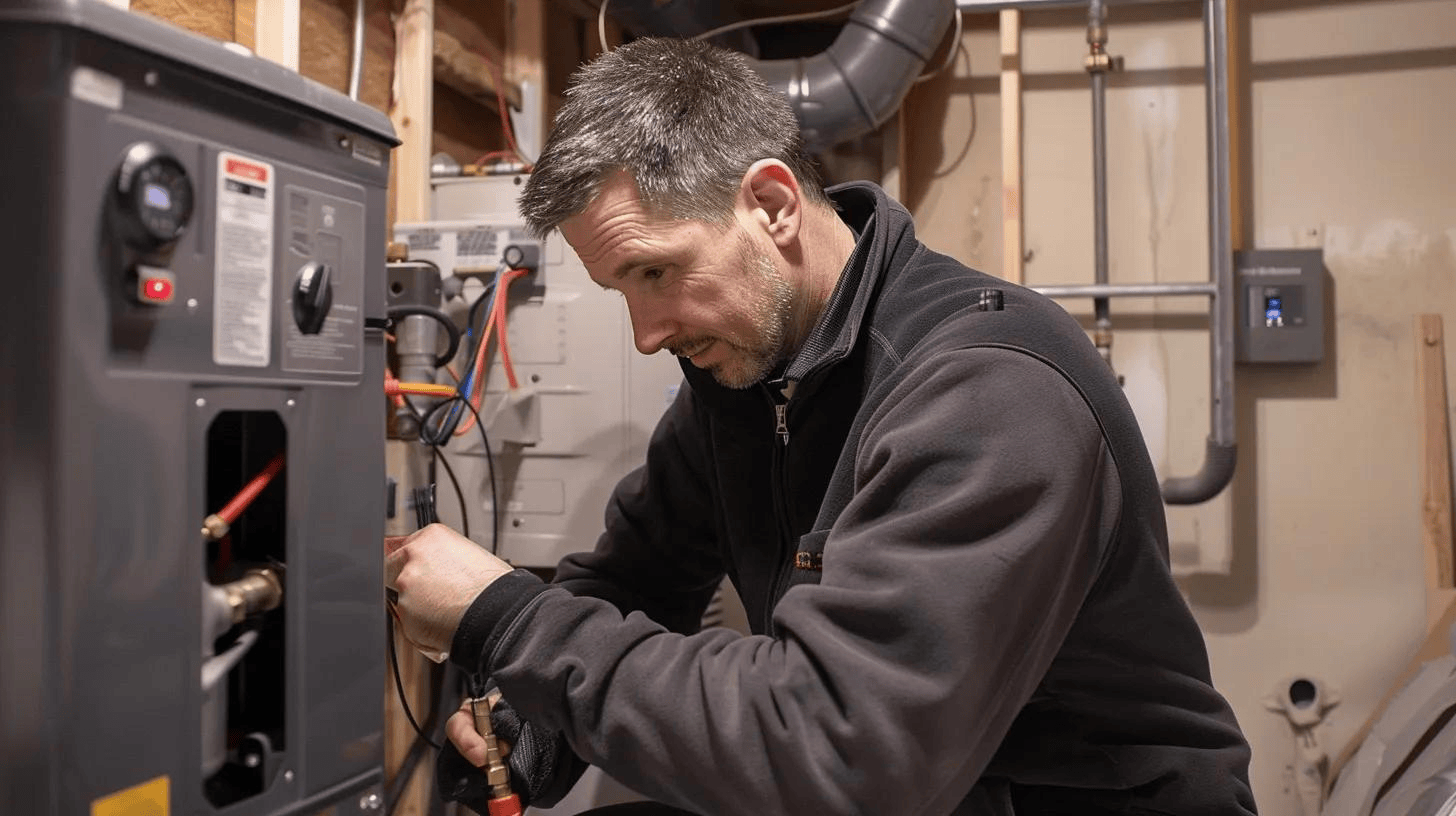
Core Principles of Furnace Installation: Professional Setup, Safety, and Cost Insights
Furnace installation is a critical process that ensures the efficient heating of residential and commercial spaces. Understanding the core principles of furnace installation can help homeowners and business owners make informed decisions about their heating systems. This article will delve into the best practices for professional furnace service, the impact of installation on energy efficiency and compliance, cost breakdowns, essential safety tips, and the benefits of using a checklist during installation. By the end, readers will gain valuable insights into how to ensure a successful furnace installation that meets safety standards and optimizes performance. Proper installation not only extends the lifespan of the furnace but also contributes to overall comfort and cost savings in the long term.
What Are the Best Practices for Professional Furnace Installation?
Professional furnace installation is essential for ensuring safety, efficiency, and longevity of the heating system. Best practices include hiring licensed technicians who are trained to handle the complexities of furnace setup. These professionals follow strict safety protocols and adhere to local building codes, ensuring that the installation is compliant and safe. Additionally, they use high-quality materials and tools to guarantee durability and optimal performance. Proper documentation and communication with the homeowner throughout the process also contribute to a smooth and transparent installation experience.
Emphasizing the critical role of safety and effective project management, external research further highlights best practices for furnace projects. These include thorough planning, risk assessment, and continuous monitoring during the installation to prevent delays and cost overruns.
Best Practices for Furnace Project Execution: Safety & BudgetThis paper instead concentrates on the “How”: How to successfully execute furnace rebuild/upgrade projects to achieve the expected benefits, and without overrunning the capital budget and/or time schedule. There is some commonality between the success factors for executing furnace rebuild projects and those for projects generally, i.e. safety is paramount.Project Implementation Best Practices for Metallurgical Furnace Rebuilds and Upgrades, N Voermann, 2024
How Do Licensed Technicians Ensure Safe and Efficient Furnace Setup?
Licensed technicians play a crucial role in the furnace installation process. They undergo extensive training and certification to understand the intricacies of HVAC systems. Their expertise allows them to identify potential safety hazards, such as gas leaks or improper ventilation, and address them before they become serious issues. Additionally, these professionals are familiar with the latest efficiency standards, ensuring that the furnace operates optimally and reduces energy consumption. They also stay updated on technological advancements and regulatory changes, which helps in recommending the best furnace models and installation techniques tailored to each property.
What Step-by-Step Process Is Followed During Furnace Installation?
The furnace installation process typically involves several key steps:
- Assessment: Technicians evaluate the space and determine the appropriate furnace size and type. This includes analyzing insulation, existing ductwork, and heating requirements to ensure the furnace matches the building’s needs.
- Preparation: Necessary modifications to the existing ductwork or electrical systems are made. This step may also involve removing old equipment and preparing the installation site to meet safety and efficiency standards.
- Installation: The furnace is installed according to manufacturer specifications and local codes. Proper alignment, secure connections, and correct venting are critical during this phase.
- Testing: After installation, the system is tested to ensure it operates correctly and efficiently. This includes checking for leaks, verifying thermostat functionality, and measuring airflow and combustion efficiency.
Following this structured approach helps guarantee a successful installation that meets all safety and performance standards. It also minimizes the risk of future repairs and ensures customer satisfaction.
How Does Furnace Installation Impact Energy Efficiency and Compliance?
The way a furnace is installed significantly affects its energy efficiency and compliance with local regulations. Proper installation ensures that the system operates at peak efficiency, which can lead to lower energy bills and a reduced carbon footprint. Moreover, an efficiently installed furnace contributes to improved indoor air quality and consistent temperature control, enhancing overall comfort for occupants.
What Local Building Codes and Safety Standards Must Be Met?
Local building codes and safety standards vary by region but generally include regulations regarding venting, clearances, combustion air supply, and electrical connections. Compliance with these codes is essential to ensure the safety of the installation and to avoid potential fines or legal issues. Homeowners should consult with their licensed technician to understand the specific codes applicable to their area. Additionally, adherence to these standards helps in qualifying for warranties and insurance coverage, providing further protection and peace of mind.
How Does Proper Installation Improve Furnace Energy Efficiency?
Proper installation can enhance a furnace's energy efficiency by ensuring that it operates within its designed parameters. For instance, correct duct sealing and insulation can prevent heat loss, while proper airflow can optimize the furnace's performance. Studies and industry sources indicate that well-installed systems can achieve energy savings of up to 20-30%, making it a worthwhile investment for homeowners. Furthermore, efficient installation reduces wear and tear on the furnace components, leading to fewer breakdowns and lower maintenance costs over time.
What Is the Typical Cost Breakdown for Furnace Installation Services?
Understanding the cost breakdown for furnace installation services can help homeowners budget effectively. The total cost typically includes the price of the furnace, labor, and any additional materials required for installation. It is important to consider not only the upfront costs but also the long-term savings from energy efficiency and reduced repair needs.
Which Factors Influence Furnace Installation Cost?
Several factors influence the cost of furnace installation, including:
- Type of Furnace: Gas furnaces generally cost more than electric models due to their complexity and fuel source. High-efficiency models or those with advanced features may also increase the price.
- Labor Costs: Rates can vary based on the technician's experience, the complexity of the installation, and the region. Emergency or off-hour installations may incur additional fees.
- Additional Materials: Ductwork modifications, venting, or new thermostats can add to the overall cost. Upgrading to smart thermostats or adding air quality components may also increase expenses.
These factors can lead to a wide range of installation costs, so it's essential for homeowners to obtain multiple quotes before proceeding. Comparing detailed estimates helps in making an informed decision and avoiding unexpected expenses.
How Can Homeowners Budget for Professional Furnace Setup?
Homeowners can budget for furnace installation by considering the following steps:
- Research: Understand the average costs for different types of furnaces and installation services in your area. Online resources and consumer reviews can provide valuable insights.
- Get Quotes: Obtain estimates from multiple licensed technicians to compare prices. Ensure that quotes include all potential costs to avoid surprises.
- Plan for Extras: Set aside additional funds for unexpected costs, such as repairs or modifications to existing systems. This financial buffer helps manage any unforeseen challenges during installation.
By planning ahead, homeowners can ensure they are financially prepared for a professional furnace installation and avoid delays caused by budget constraints.
What Essential Safety Tips Should Be Followed During Furnace Installation?
Safety is paramount during furnace installation. Following essential safety tips can help prevent accidents and ensure a smooth installation process. Proper training, use of protective equipment, and adherence to safety protocols are critical components of a safe installation.
How Are Carbon Monoxide and Ventilation Risks Managed?
Carbon monoxide (CO) is a serious risk associated with gas furnaces. To manage this risk, technicians must ensure proper ventilation, combustion air supply, and install CO detectors in the home. Regular maintenance checks are also crucial to ensure that the furnace operates safely and efficiently. Educating homeowners about the signs of CO exposure and the importance of detector maintenance further enhances safety.
What Tools and Equipment Are Needed for Safe Installation?
The following tools and equipment are essential for safe furnace installation:
- Wrenches and Screwdrivers: For assembling and securing components.
- Drills: For making necessary holes for venting and electrical connections.
- Safety Gear: Including gloves, goggles, and masks to protect against dust and debris.
Having the right tools ensures that the installation is completed safely and efficiently. Additionally, using calibrated instruments for testing gas pressure and airflow helps maintain installation quality and safety standards.
How Can a Furnace Installation Checklist Improve Project Success?
Using a checklist during furnace installation can significantly enhance project success by ensuring that all necessary steps are followed and nothing is overlooked. It promotes consistency, accountability, and thoroughness throughout the installation process.
What Key Items Should Be Included in a Furnace Installation Checklist?
A comprehensive furnace installation checklist should include:
- Pre-Installation Assessment: Verify the furnace size and type. Confirm that all required permits and approvals are in place.
- Safety Checks: Ensure all safety protocols are in place, including proper ventilation, gas connections, and electrical wiring.
- Final Testing: Confirm that the system operates correctly before leaving the site. This includes testing for leaks, thermostat calibration, and verifying airflow.
This checklist helps technicians stay organized and ensures that all critical steps are completed. It also serves as documentation for quality assurance and future maintenance reference.
How Does Using a Checklist Ensure Compliance and Quality?
Using a checklist promotes compliance with local codes and quality standards by providing a structured approach to installation. It helps technicians remember essential tasks and verify that all safety measures are in place, ultimately leading to a more reliable and efficient heating system. Checklists also facilitate communication between team members and provide a clear record of completed work, which is valuable for inspections and warranty claims.
Conclusion
Understanding the core principles of furnace installation empowers homeowners to make informed decisions that enhance safety, efficiency, and comfort. By prioritizing professional setup and adhering to local codes, you can ensure a reliable heating system that saves on energy costs and minimizes future repairs. Take the next step towards optimal heating by consulting with licensed technicians for your installation needs. Explore our resources to find expert guidance and support for your furnace installation journey.
Customer Testimonials
